
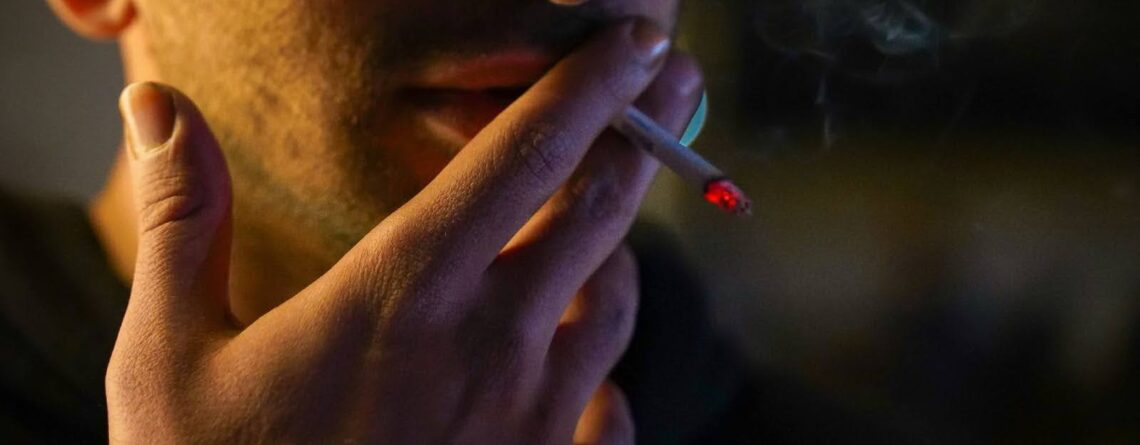
Smoking has long been known to pose significant health risks, leading many to reduce their cigarette consumption in the hope that smoking less will minimise these dangers. A common belief is that smoking just one cigarette a day is relatively harmless.
However, research indicates that even minimal smoking can have serious health consequences. This article discusses the risks associated with light smoking, examining the impacts on cardiovascular health, other health implications, and the importance of complete cessation. Let’s dive in:
Understanding the Risks of Smoking Even One Cigarette
Recent studies have provided compelling evidence that smoking even one cigarette per day is far from safe. According to research published in the BMJ, smoking one cigarette daily increases the risk of coronary heart disease (CHD) by 46% in men and 31% in women. Additionally, the risk of stroke rises by approximately 30% for both genders. These statistics challenge the notion that light smoking is harmless and highlight the significant health risks associated with even minimal tobacco use.
Cardiovascular Risks
Smoking affects the cardiovascular system significantly, even if you smoke just one cigarette a day. For men, smoking one cigarette daily can lead to half the risk of coronary heart disease (CHD) compared to smoking 20 cigarettes a day. For women, it leads to a third of that risk. The harmful effects come from nicotine and other chemicals in cigarettes, which cause inflammation and damage to blood vessels, increasing the risk of heart disease and stroke.
Dr. Kenneth Johnson, Adjunct Professor at the University of Ottawa, emphasises that no safe level of smoking exists for cardiovascular health. He states, “Any exposure to cigarette smoke is too much,” underscoring the need to quit completely to protect against heart disease and stroke.
Other Health Impacts
Beyond cardiovascular issues, light smoking also poses significant risks to respiratory health. Occasional smoking can lead to chronic obstructive pulmonary disease (COPD), emphysema, and other lung conditions. Furthermore, smoking is a leading cause of various cancers, including lung, throat, and mouth cancers. Even infrequent smoking can exacerbate these risks.Additionally, smoking has been linked to an increased risk of diabetes. According to the Centers for Disease Control and Prevention (CDC), smokers are 30-40% more likely to develop type 2 diabetes than non-smokers. The chemicals in cigarettes interfere with the body’s ability to process insulin, leading to higher blood sugar levels and an increased risk of diabetes.
What Are the Misconceptions About Light Smoking?
Many people believe that reducing cigarette consumption significantly lowers health risks. While smoking fewer cigarettes may seem like a positive step, research shows that even light smoking carries substantial risks. This misconception persists due to the addictive nature of nicotine and the belief that less smoking equals less harm, which is not supported by any scientific evidence. Thus, reducing smoking is not enough to eliminate health risks. To fully protect your health, complete cessation is needed, as any level of smoking is harmful.
How Can You Get Rid of Smoking Altogether?
Health organisations like the CDC and the World Health Organization (WHO) emphasise that no amount of smoking is safe. They advocate for complete quit and the use of cessation aids and support systems to help smokers quit.
Quitting smoking is challenging but achievable with the right strategies and support. Here are effective steps to help you get rid of smoking altogether:
1. Set a Quit Date:
Choose a specific date within the next two weeks to quit smoking. This gives you enough time to prepare without losing motivation.
2. Identify Triggers:
Recognise what makes you want to smoke, like stress, social situations, or certain routines. Plan how to cope with these triggers.
3. Use Nicotine Replacement Therapy (NRT) and Cessation Medications
📝 NRT products such as patches, gum, lozenges, or inhalers can help manage withdrawal symptoms by providing a controlled dose of nicotine. All NRT products in Australia are available through registered pharmacies, with your pharmacist able to advise on the most appropriate product and strength for your needs.
Prescription medications such as varenicline and bupropion can also reduce cravings and withdrawal symptoms. These require a valid prescription from a GP or authorised prescriber and are dispensed through registered Australian pharmacies. Speak with your healthcare provider to determine whether prescription cessation medication is appropriate for you.
4. Behavioural Support:
Counselling, one-on-one or in group settings, can provide emotional support and practical strategies for quitting. Consider behavioural therapy or smoking cessation programs. Inform friends, family, and coworkers about your decision to quit. Their encouragement and understanding can be a critical support, too.
5. Stay Active:
Physical activity can reduce cravings and withdrawal symptoms. Engage in regular exercise to keep yourself occupied and healthy.
6. Avoid Triggers:
Stay away from situations where you might be tempted to smoke, such as parties or gatherings where others are smoking.Combining these methods increases your chances of quitting successfully. For more detailed information and support, visit our website or consult your healthcare provider.
The Final Verdict
Smoking even one cigarette a day is not safe. The associated health risks are significant and well-documented, affecting cardiovascular health, respiratory function, cancer risk, and metabolic health. For those looking to quit, a range of evidence-based resources and support systems are available to help achieve complete cessation. The journey may be challenging, but the health benefits are well worth the effort.
The only safe level of smoking is none at all. If you are ready to quit, reaching out to a healthcare professional is the most important first step.
📝 At StopRX, we connect you with authorised Australian prescribers who can assess your individual needs and, where clinically appropriate, support your quit journey with evidence-based prescription options dispensed through registered Australian pharmacies. Contact us today.