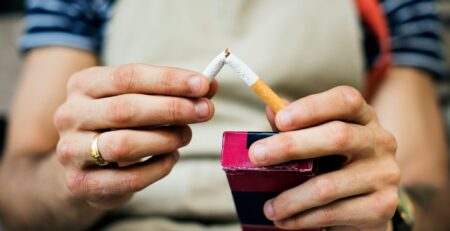
We all know that smoking is the leading cause of respiratory issues worldwide. So, if you’ve taken this fact seriously and quit smoking, congratulations! You’ve made one of the best decisions for your health and future. But even after putting out that last cigarette, your body, particularly your lungs still has some healing to do.
But the good news is your lungs are incredibly resilient. While they begin the repair process on their own, there are several ways you can actively support and accelerate this natural recovery. So, whether you’ve recently quit or you’re a few months into your journey, this guide will walk you through practical, science-backed tips to help clear your lungs and improve your breathing, naturally.
What Happens to Your Lungs After You Quit Smoking?
Did you know that your body begins to heal as soon as you stop smoking? Here’s a timeline of how your body starts repairing itself from the moment you quit smoking.
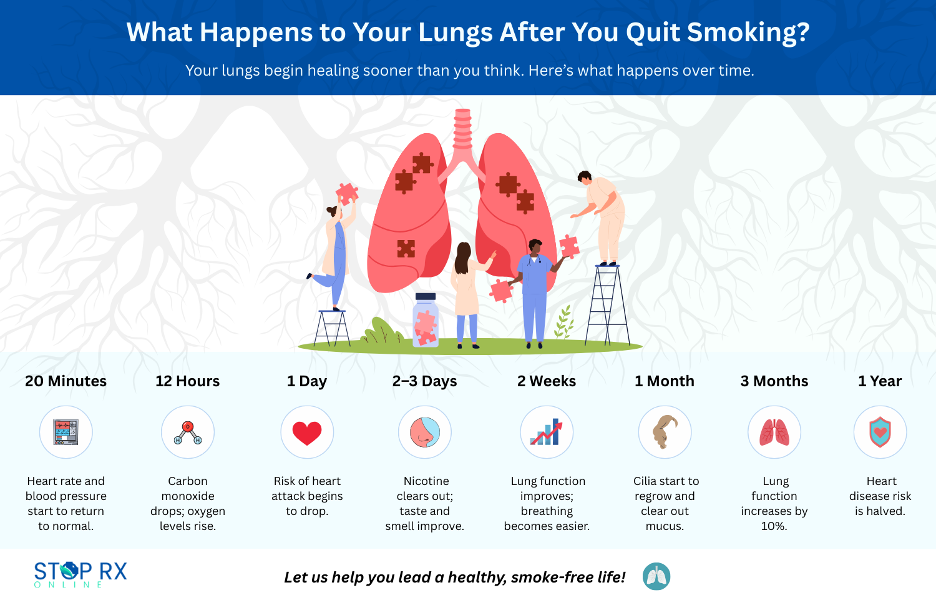
However, years of smoking can leave behind lingering tar, inflammation, and scar tissue. That’s where lung cleansing strategies come in to help your body along the way.
1. Get Moving: Exercise to Strengthen Lung Function

One of the most effective ways to speed up your lung recovery is regular physical activity. Movement helps increase oxygen levels, improve circulation, and strengthen the muscles used for breathing.
Best exercises for ex-smokers:
- Brisk walking or cycling- Great for getting the heart pumping and lungs working.
- Swimming- Gentle on joints, and the humid environment can be soothing for the lungs.
- Yoga or Pilates- Combines movement with controlled breathing, perfect for lung awareness and capacity.
Remember, even 20- 30 minutes of moderate exercise a day can make a difference. Not only will you breathe easier, but you’ll feel more energised.
2. Follow a Healthy Diet

What you eat plays a major role in your body’s healing process. A healthy, balanced diet can help reduce inflammation, fight off respiratory infections, and support detoxification.
Here are some foods you can add more:
- Leafy greens like spinach and kale – Rich in antioxidants that help reduce inflammation.
- Citrus fruits – High in Vitamin C to support immune health and cell repair.
- Berries and apples – Contain flavonoids linked to better lung function.
- Fatty fish (like salmon or sardines) – Packed with omega-3s, which help reduce airway inflammation.
- Water – Staying well-hydrated helps thin mucus in the lungs, making it easier to clear out.
Eating clean doesn’t have to mean going on a strict diet. Just aim for more whole foods, fruits, veggies, fluids and all anti-inflammatory foods.
3. Master Breathing Techniques
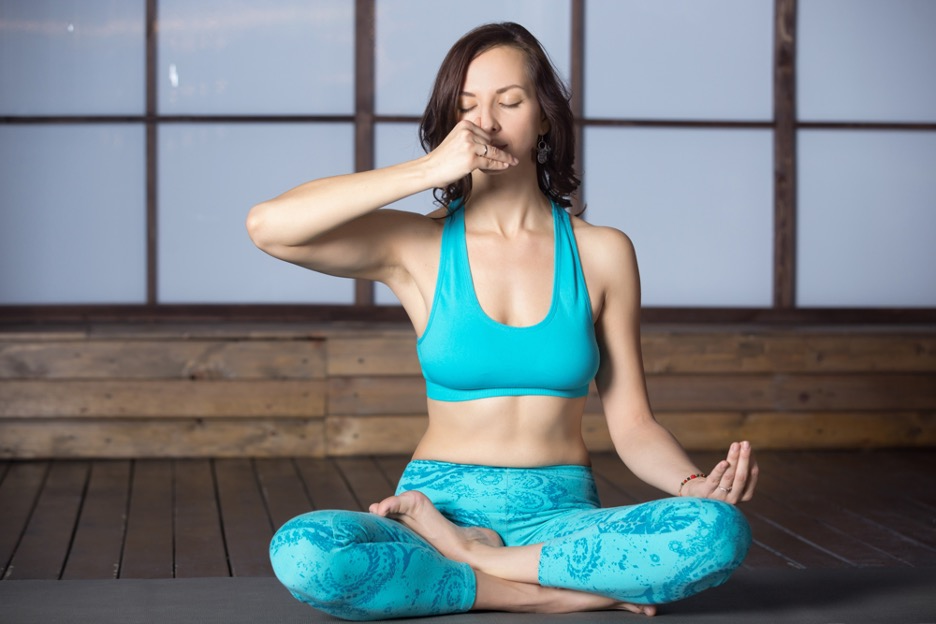
Breathing may feel automatic, but certain techniques can help your lungs function better and release leftover toxins.
Two effective exercises you can try:
Pursed-lip breathing:
Inhale through your nose for two seconds, then exhale slowly through pursed lips (like blowing through a straw) for four seconds. This helps control breathing and release trapped air.
Diaphragmatic breathing:
This is also known as belly breathing. Lie on your back, place one hand on your chest and one on your belly. Focus on expanding your belly as you inhale and relaxing as you exhale.
Practice these daily for 5–10 minutes. They’re simple, calming, and great for building lung strength over time.
4. Try Steam Therapy for Immediate Relief

Steam therapy can help open up airways and loosen mucus, providing quick relief, especially during the early weeks after quitting. This is also useful, particularly for people with lung conditions like chronic obstructive pulmonary disease (COPD)
How to do it:
- Boil a pot of water, pour it into a bowl, and drape a hot towel over your head while inhaling the steam.
- Add essential oils like eucalyptus or peppermint for an extra soothing effect.
Steam doesn’t ‘detox’ your lungs directly, but it can help clear congestion and make breathing easier, especially if you’re dealing with lingering coughs or phlegm.
5. Breath Clean Air

As an ex-smoker, your lungs are more sensitive than before. That’s why your surroundings matter more than ever.
Tips to improve indoor air quality:
- Get an air purifier – Especially important if you live in a city or have pets.
- Avoid synthetic air fresheners – These can release volatile organic compounds (VOCs) that irritate your lungs.
- Ventilate your home – Let fresh air in whenever possible.
- Use natural cleaning products – Harsh chemical fumes can damage recovering lung tissue.
Creating a clean, breathable home environment is a huge part of protecting your progress.
6. Avoid New Addicting Triggers
You’ve done the hardest part by quitting. Now it’s important to stay away from anything that could set you back or slow your lung recovery.
Stay away from:
- Secondhand smoke – Even brief exposure can irritate healing lungs.
- Air pollution – On bad air days, stay indoors or wear a mask.
- Vape clouds and chemical fumes – These can also stress your respiratory system, even if they don’t contain tobacco.
A note on vaping and nicotine replacement in Australia: Since 1 July 2024, all vaping products in Australia are regulated as therapeutic goods and can only be legally supplied through a pharmacy. If you are currently using or considering a therapeutic vape as part of your quit journey, it’s important to do this through the proper medical pathway — not through general retail sources.
This means speaking with a pharmacist or obtaining a prescription from a GP or nurse practitioner, depending on your circumstances and nicotine requirements. Self-managed vaping outside of this framework is not legally sanctioned and may expose you to unregulated products.
At StopRX Online, we can help you navigate the prescription pathway for evidence-based, medically supervised cessation support. Contact us to get started.
7. Consult Your Doctor and Track Progress Regularly

Regular check-ups with a healthcare provider are essential. They can monitor your recovery, offer personalised advice, and address any lingering issues you may have.
Here’s a checklist:
- Lung function tests – To see how your breathing has improved.
- Vaccines – Like flu and pneumonia shots, to reduce your risk of respiratory infections.
- Chest X-rays or scans – If you have a chronic cough or other symptoms that aren’t improving.
Early intervention can make a big difference, especially if you smoked for many years. So, make sure to do these tests from time to time.
Be Patient- Healing Takes Time
Lung recovery is not instant. It may take months or even years, depending on how long and how much you smoked. But every smoke-free day counts. Your breathing will get easier, your energy will return, and your risk for disease will continue to fall.
There’s no magic pill, but a combination of smart choices, healthy habits, and ongoing support will give your lungs the best chance to heal. You’ve already taken the first step. Let’s keep the momentum going. If you’ve recently quit or you’re trying to, we’re here to help make that transition smoother. Contact us to get started today and give your lungs the fresh start they deserve.